Top Electric Blender Features to Look for Before You Buy This Summer Season
A good blender is one of the few kitchen tools that earns its counter space every single day. Whether you're making a quick breakfast smoothie before work, prepping soups for the week, or crushing ice for a backyard gathering, the right electric blender turns a five-minute chore into a fast, simple task. For home cooks across Massachusetts and beyond, the summer season is often when blenders see the most use — cold drinks, fresh fruit purees, and frozen treats all depend on a machine that can keep up.
This guide walks through what actually matters when shopping for a blender, how motor power and speed settings affect performance, and which kitchen tools pair well with your setup. By the end, you'll have a clear idea of what to look for and how to avoid paying for features you won't use.
Why a Dependable Blender Belongs in Every Home Kitchen
Blenders do more than make smoothies. A well-built machine can crush ice, grind nuts, puree soups, mix batter, and even make nut butter with the right attachments. For households that cook from scratch often, a countertop blender with enough torque to handle frozen fruit and leafy greens saves time compared to chopping everything by hand.
The trouble is that not all blenders are built the same. Some struggle with anything harder than a banana, while others are engineered for daily heavy use. Knowing the difference before you buy prevents the common frustration of a machine that stalls halfway through a recipe.
What to Look for Before You Buy
A few practical factors separate a blender that lasts for years from one that ends up in a drawer after a few months:
Motor wattage — higher wattage generally means better performance with ice and frozen ingredients.
Jar material — glass tends to resist scratching and odor better than plastic, though it's heavier.
Blade design — multiple stainless steel blades set at different angles create a more even blend.
Speed and pulse settings — more control means better results across different recipes, from thick shakes to thin sauces.
Noise level — an important factor if you blend early in the morning or live in a shared space.
Ease of cleaning — removable blades and dishwasher-safe parts save real time over the life of the appliance.
None of these factors matter equally for every household. A single person making a daily smoothie has different needs than a family that blends soups, sauces, and drinks throughout the week.
Motor Power and Speed Settings Explained
Motor power is usually the first spec people check, and for good reason — it directly affects what a blender can handle. A 250W motor is fine for soft fruit and liquids, but it will likely struggle with ice or frozen produce. Mid-range motors between 500W and 1000W handle most home cooking tasks, including smoothies, shakes, and light ice crushing.
For households that regularly blend frozen ingredients or want restaurant-style results at home, a 1450W or higher model offers noticeably smoother texture and faster processing. These higher-powered machines are often labeled as high-speed blenders and are built for frequent, heavier use.
Speed settings matter just as much as raw power. A blender with only one speed forces every recipe into the same setting, which can over-process delicate ingredients or under-process tough ones. Multiple speed levels plus a pulse function give you far more control — low speed for chopping, medium for mixing, and high speed for fully liquefying ice and frozen fruit.
Countertop Models vs Portable and Personal Blenders
Not every household needs a large countertop machine. Depending on lifestyle and kitchen size, one of these three categories will usually fit better:
Countertop blenders are built for volume and power. They're the right choice for families, meal preppers, or anyone who blends large batches of soup, sauce, or smoothies at once. These machines typically range from 500W to 1800W and come with jars from 50 to 80 ounces.
Personal or single-serve blenders are smaller, often with cups that double as travel bottles. They're a practical option for single servings, protein shakes, or anyone short on counter space.
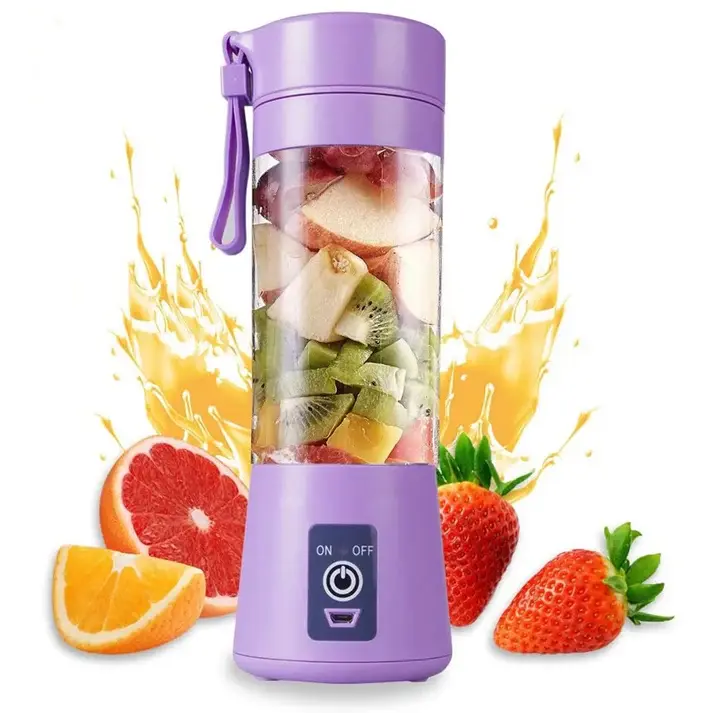
Portable and USB-rechargeable blenders have grown popular for travel, gym use, and outdoor activities. They're compact, cordless, and easy to pack, though they generally handle softer ingredients better than ice or frozen fruit.
Choosing between these comes down to how often you blend, how much you make at once, and how much storage space you have.
Making the Most of the Summer Season
The summer season tends to bring more blending into daily routines. Cold smoothies, frozen fruit desserts, iced coffee drinks, and homemade popsicle bases all rely on a machine that can crush ice cleanly without leaving chunks behind. This is where motor power and blade quality really show their value — a weaker machine will leave a gritty texture, while a properly powered one produces a smooth, even result.
Warmer months are also when outdoor entertaining picks up, and a portable blender can be genuinely useful for patios, pool days, or trips to the park. Meanwhile, a full-size countertop blender stays the better choice for batch-prepping frozen drinks or soups ahead of a gathering.
An affordable electric blender with powerful motor for home cooking gives you both worlds — enough strength for ice and frozen fruit without the price tag of a commercial-grade machine. That balance of performance and cost is usually what most households are actually looking for.
Modern Kitchen Accessories That Pair Well With a Blender
A blender rarely works alone in a kitchen. Pairing it with the right modern kitchen accessories can make everyday cooking noticeably smoother:
Stainless steel measuring cups and spoons for consistent recipes.
Silicone spatulas for scraping down jars without damaging non-stick surfaces.
Airtight storage containers for prepped smoothie packs or leftover purees.
Cutting boards and paring knives for prepping fruit and vegetables before blending.
Insulated travel bottles that work well with personal blender cups.
Building out a kitchen with coordinated, functional accessories tends to make daily cooking faster and less cluttered. It also means fewer mismatched tools taking up drawer space.
Maintenance and Cleaning Tips That Extend Blender Life
Even the best blender won't last if it isn't cared for properly. A few habits go a long way:
Rinse the jar right after use so residue doesn't dry onto the blades.
Avoid submerging the motor base in water — wipe it down with a damp cloth instead.
Run a quick cycle of warm water and a drop of dish soap to clean blades without disassembling them.
Check the gasket or sealing ring periodically for wear, since a worn seal can cause leaks.
Store the jar without the lid on to prevent trapped moisture and odor buildup.
Following a simple routine like this can add years to a blender's usable life, especially for machines that see daily use.
Safety Features and Energy Use Worth Checking
Beyond raw power, a handful of smaller details make a real difference in daily use and long-term ownership. A locking lid mechanism prevents a blender from running with the jar improperly seated, which avoids spills and reduces strain on the motor. Overload protection, sometimes called thermal cutoff, automatically stops the motor if it senses excess heat, which helps prevent burnout during heavy blending sessions like crushing ice for a full pitcher of frozen drinks.
Non-slip rubber feet keep a countertop blender steady during high-speed use, which matters more than it sounds — a machine that walks across the counter while running is both inconvenient and a safety concern. Cord length and storage also come into play for smaller kitchens, since a compact base with a wrap-around cord takes up less drawer space than a bulky unit.
Energy use is rarely a major factor in a household budget, since blenders typically run for only a few minutes at a time. Still, higher-wattage models draw more power during use, so anyone blending several times a day may notice a small difference on their utility bill compared to a lower-wattage machine used for the same tasks. For most households, the convenience and performance gained from a stronger motor outweigh the marginal difference in electricity use.
Shopping for a Blender in Massachusetts
Local climate and lifestyle can shape what a Massachusetts household actually needs from a blender. Warmer months bring more demand for iced drinks and frozen desserts, while colder months often shift use toward soups, sauces, and hot beverage bases. A versatile machine with enough motor power to handle both ice and hot liquids covers the full range of New England seasons without needing a second appliance.
Shipping speed and return policies matter as well, particularly for larger countertop models that are harder to exchange if something isn't the right fit. Checking whether a retailer offers clear warranty terms, responsive customer support, and straightforward return shipping can save a lot of hassle if a replacement part or exchange is ever needed.
Where to Shop for Quality Kitchen Tools
For shoppers in Massachusetts and across the country, finding a retailer that combines fair pricing with reliable products makes the buying decision easier. Look for listings that clearly state motor wattage, jar capacity, and included accessories, since vague product descriptions often hide lower-quality builds. Reading verified customer reviews and checking return policies before ordering is also a smart step, particularly for larger countertop machines that represent a bigger investment.
A store that carries a full range of kitchen accessories alongside blenders — cookware, cutlery, storage, and small appliances — tends to be a more convenient option than piecing a kitchen together from multiple retailers. Shoppers in Massachusetts looking for reliable delivery times and clear product specs will often find it easier to compare a handful of trusted retailers rather than browsing dozens of marketplace listings with inconsistent details.
Conclusion
Choosing the right blender comes down to matching motor power, jar size, and features to how your household actually cooks. A countertop model suits families and frequent batch prep, while a portable or personal blender fits travel and single servings better. Whatever the choice, pairing it with the right kitchen tools rounds out a setup built for everyday use rather than occasional novelty. Right now is a good time to upgrade: enjoy 3% off your first order and free shipping on all orders above $100, making it easier to build out a kitchen that works as hard as you do.
FAQs
1. What wattage is best for a blender used daily?
For daily use involving smoothies, shakes, and occasional ice, a motor between 500W and 1000W is usually enough. Households that blend frozen ingredients often benefit from 1450W or higher.
2. How do I choose between a countertop blender and a personal blender?
Choose a countertop blender for larger batches, soups, or family use. Choose a personal or portable blender for single servings, travel, or limited counter space.
3. Can a blender replace a food processor?
A blender handles liquids and semi-liquids well but isn't ideal for dry chopping or dough. A food processor is better suited for those tasks, though some combo units handle both.
4. What is the average lifespan of a home blender?
With regular cleaning and proper care, a quality blender typically lasts five to ten years, depending on usage frequency and build quality.
5. Are glass or plastic blender jars better?
Glass jars resist scratching, staining, and odor absorption better than plastic, though plastic is lighter and more impact-resistant.
6. How many speed settings does a blender actually need?
Two to three speeds plus a pulse function cover most home cooking needs, from chopping to full liquefying.
7. Is a high-wattage blender worth it for occasional use?
If blending happens only a few times a month, a mid-range 500W to 700W model is usually sufficient and more cost-effective.
8. What should I look for in a portable blender for travel or the gym?
Look for USB-rechargeable batteries, a leak-proof lid, and a cup size that matches your typical serving. Battery life and charge time also matter for frequent travel use.
9. How often should I clean a blender's blades?
Rinse blades after every use and do a deeper clean weekly to prevent residue buildup and dulling.
10. Does a blender work well for crushing ice?
Blenders with 500W or higher motors and sharp, multi-angle blades handle ice crushing well. Lower-wattage models may struggle and leave uneven texture.
Comments